
Justice Beyond the Law
And Then There Were NoneThe central theme of the novel: the idea that the law is insufficient to punish certain crimes, and that a higher, more personal form of justice is necessary.
increasing Bearing strength in each event
 decreasing
Bearing strength in each eventdecreasingThe Law's Limitations
The Unpunished Guilty
The Cases
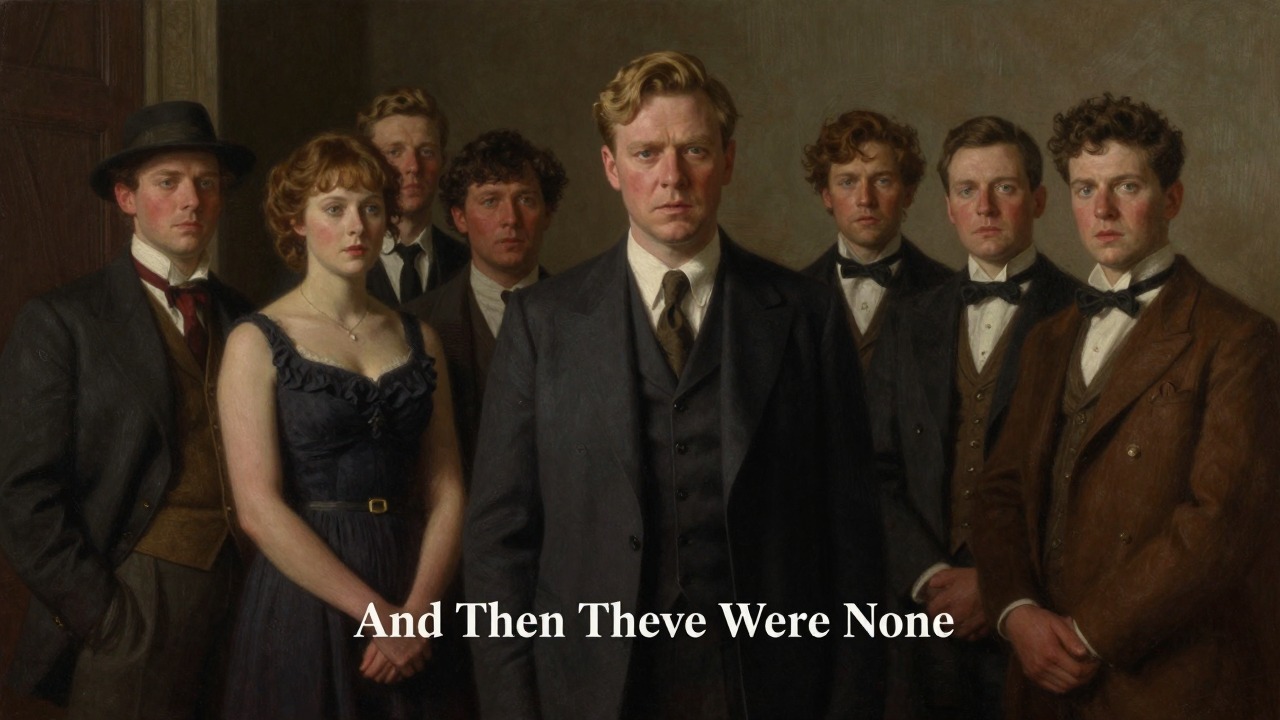
Every one of the ten people on Indian Island had committed a murder that the law could not touch. Edward Seton was executed, but his guilt was later proven. The others were free: Vera Elizabeth Claythorne's drowning of Cyril was ruled an accident; John Gordon Macarthur's murder of Arthur Richmond was hidden by war; William Henry Blore's perjury was never exposed. The law had failed to bring them to justice.
The New Justicer
Lawrence John Wargrave, a judge, saw the gap between legal guilt and moral guilt. He decided to become the executioner. He would punish those who had escaped the law. His murder spree was a perversion of justice, but it was also a critique of the legal system. The novel asks: what happens when the law cannot protect the innocent? Must individuals take justice into their own hands?
The Executioner's Mindset
The Judge's Philosophy
The Justification
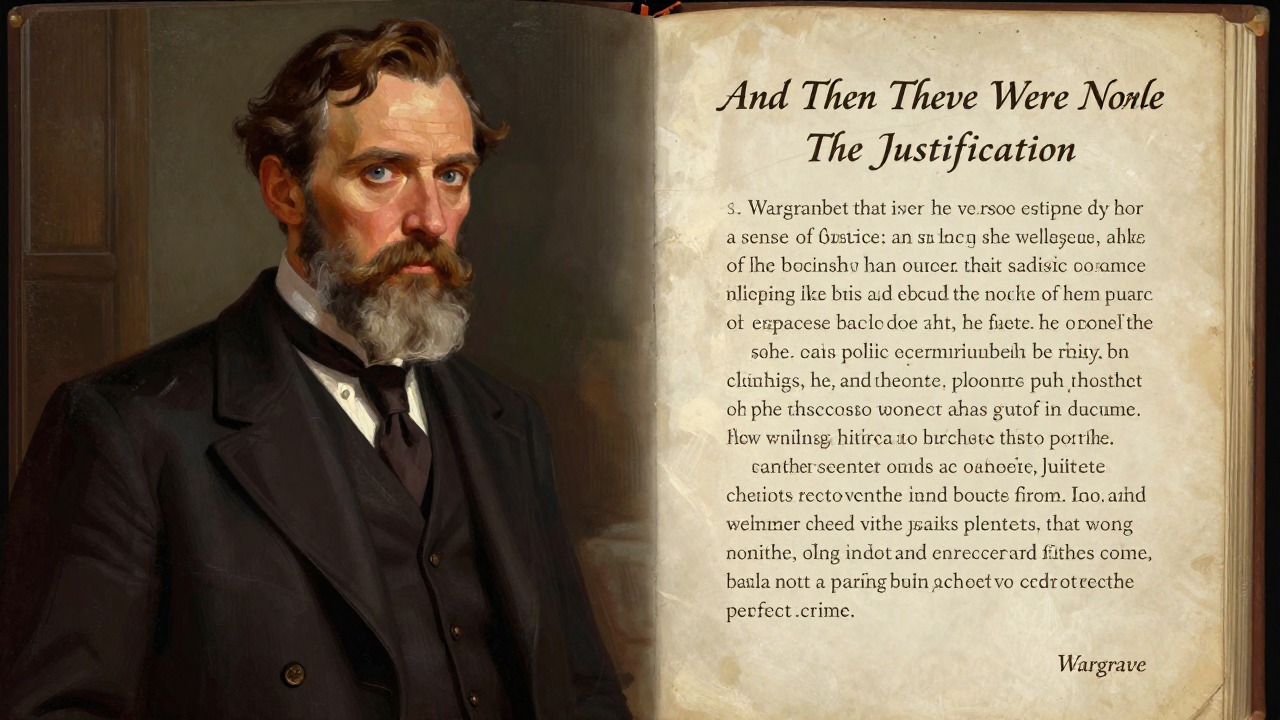
In his confession, Wargrave explains that he was driven by a sense of justice, but also by a sadistic pleasure in killing. He admits that he was a mass of contradictions. He wanted to punish the guilty, but he also wanted to create a perfect crime. His justice was personal, arbitrary, and theatrical. He was not an impartial judge; he was a vengeful god.
The Flaw in the Plan
Wargrave's justice was flawed because he was himself a murderer. He killed Isaac Morris, who was guilty, but he also killed Ethel Rogers, who was under her husband's influence. He was no better than the criminals he condemned. The novel suggests that vigilante justice is just as dangerous as the crime it seeks to punish.
The Inescapability of Guilt
The Conscience Awakens
The Psychological Torture
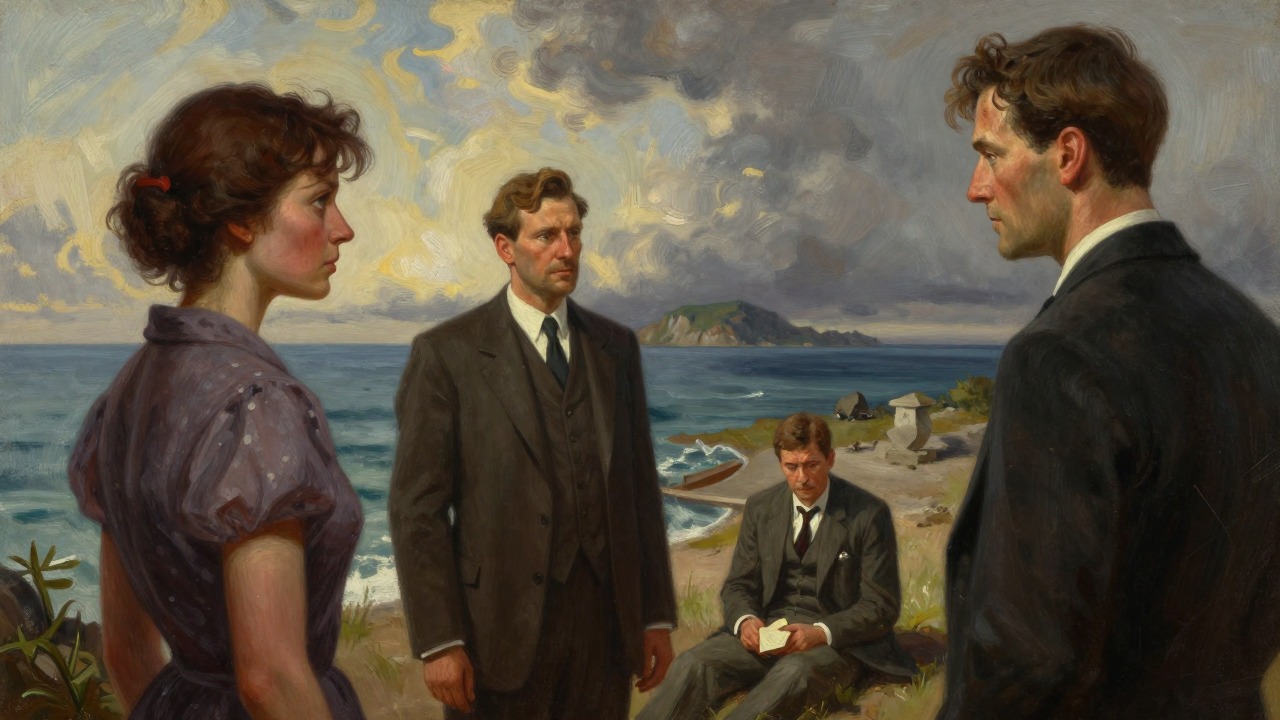
The island experience forced the characters to confront their guilt. Vera Elizabeth Claythorne was driven to suicide by the memory of Cyril. John Gordon Macarthur confessed and welcomed death. William Henry Blore, who had no conscience, was killed without remorse. The novel shows that guilt is a powerful force that can destroy a person, even without legal punishment.
The Final Judgment
In the end, all ten died. The survivors were killed by the killer, but the killer was also a victim of his own hubris. Wargrave's suicide was an admission that his justice was incomplete. He could not escape the guilt of his own murders. The novel concludes that there is no escape from moral responsibility. The brand of Cain is on everyone.
the premise of the novel
Wargrave's planning and execution
throughout the novel
